
The Ultimate Guide to PCOS Treatment for Pregnancy: From Diagnosis to Holding Your Baby
Introduction: The Silent Epidemic in Indian Fertility
If you are reading this, chances are you or someone you love is staring at a negative pregnancy test, wondering why the most natural process in the world feels like an impossible hurdle. You are not alone. In India, Polycystic Ovary Syndrome (PCOS) has become a silent epidemic, affecting nearly 1 in 5 women of reproductive age. It is currently the leading cause of female infertility in the subcontinent, creating a complex web of hormonal imbalances that can bring a couple’s dream of parenthood to a standstill.
The journey of trying to conceive with PCOS is often characterized by an emotional rollercoaster: the frustration of irregular periods, the confusion of ovulation predictor kits that never seem to turn positive, and the anxiety of unexplained weight gain. For many Indian women, societal pressure adds another layer of stress. Relatives ask, “Good news kab milegi?” (When will we get the good news?), unaware that inside your body, a metabolic storm is preventing your ovaries from releasing the egg required for life to begin.
However, a diagnosis of PCOS is not a diagnosis of sterility. It is manageable, treatable, and beatable. With the advancement of reproductive medicine in 2024, the pathways to pregnancy have never been clearer. Whether it is through precise lifestyle modifications, targeted medication like Letrozole, or assisted reproductive technologies like IUI (Intrauterine Insemination), the success rates for women with PCOS are incredibly high compared to other infertility diagnoses.
This guide is designed to be your definitive roadmap. We will move beyond generic advice and dive deep into the medical realities of PCOS treatment for pregnancy. We will break down the science of why your body is resisting conception, explore the costs of treatment in India, and explain how innovative solutions like Home IUI and Sperm Washing are bridging the gap between clinical intervention and the comfort of your home. Let’s start your journey from diagnosis to holding your baby.
Part 1: Deconstructing PCOS – Mechanism and Pathophysiology
What Actually Happens Inside the Ovaries?
To treat the problem, you must first understand the mechanism. Many women are told they have “cysts” on their ovaries. This is a misnomer that causes unnecessary panic. In PCOS, these are not pathological cysts like tumors; they are actually immature follicles (eggs) that failed to develop fully.
In a normal menstrual cycle, your brain sends a signal via Follicle Stimulating Hormone (FSH) to the ovaries to recruit a group of follicles. One dominant follicle grows, matures, and eventually bursts to release an egg (ovulation). In women with PCOS, this communication network is disrupted by three primary internal factors:
- Hyperandrogenism (Excess Male Hormones): While all women produce small amounts of androgens (like testosterone), PCOS ovaries produce them in excess. High levels of local testosterone in the ovary inhibit the follicles from growing to full size. Instead of one dominant follicle emerging, many small follicles stall in their development.
- Follicular Arrest (“String of Pearls”): Because the follicles stop growing halfway, they accumulate on the periphery of the ovary. On an ultrasound, this looks like a black necklace or a “string of pearls.” These are the “cysts”—stuck eggs that were never released. Without the release of an egg (Anovulation), sperm has nothing to fertilize, making natural conception impossible during that cycle.
- Insulin Resistance: This is the engine driving the PCOS train for nearly 70% of Indian women. Your body’s cells become resistant to insulin, causing your pancreas to pump out more insulin to compensate. These high insulin levels stimulate the ovaries to produce even more testosterone, creating a vicious cycle of hormonal imbalance and weight gain, particularly around the abdomen.
PCOS vs. PCOD: Clearing the Confusion
In India, the terms PCOD (Polycystic Ovarian Disease) and PCOS (Polycystic Ovary Syndrome) are often used interchangeably, but they are medically distinct. Understanding the difference is vital for your treatment plan.
PCOD is largely a condition where the ovaries contain immature eggs, often caused by lifestyle factors. It is generally milder. Women with PCOD may still ovulate occasionally, and symptoms can often be reversed significantly with diet and exercise alone.
PCOS, on the other hand, is a metabolic disorder and a more severe form of the condition. It is a syndrome, meaning it affects multiple systems in the body—metabolism, heart health, mental health, and reproductive organs. Women with PCOS often face total anovulation (no periods or very rare periods) and require more aggressive medical intervention, such as ovulation induction drugs or assisted reproductive technology, to achieve pregnancy. It is a lifelong endocrine disorder that needs management, not just a temporary “disease” to be cured.
Part 2: The Diagnostic Roadmap
The Rotterdam Criteria
You cannot treat what you haven’t officially diagnosed. Globally, and in India, fertility specialists use the Rotterdam Criteria to diagnose PCOS. To be diagnosed, a woman must present with at least two out of the following three signs:
- Oligo-ovulation or Anovulation: This manifests as irregular menstrual cycles (fewer than 9 periods a year) or cycles that are longer than 35 days. Some women may have amenorrhea (no periods at all).
- Hyperandrogenism: This can be clinical (visible signs) or biochemical (blood tests). Visible signs include Hirsutism (excess facial or body hair), severe adult acne, or male-pattern hair thinning (alopecia). Biochemical signs involve elevated testosterone or DHEAS levels in blood work.
- Polycystic Ovaries: Confirmed via a Transvaginal Ultrasound (TVS), showing ovaries with 12 or more follicles measuring 2-9mm in diameter, or increased ovarian volume (>10ml).
Essential Fertility Tests for PCOS Patients
If you suspect PCOS is hindering your ability to conceive, your doctor will order a specific panel of tests. Understanding these results empowers you to make better decisions.
- AMH (Anti-Mullerian Hormone): This is a marker of your ovarian reserve. Ironically, women with PCOS often have very high AMH levels (often > 4-5 ng/mL) because they have many small follicles producing this hormone. While high AMH usually implies a good egg count, in PCOS, it indicates that eggs are present but “locked” and not maturing.
- LH/FSH Ratio: In a normal cycle, FSH is higher than LH at the start to grow the egg. In PCOS, Luteinizing Hormone (LH) is often two to three times higher than FSH. This high LH environment is toxic to the developing egg and can trigger premature maturation or arrest.
- Glucose Tolerance & HbA1c: Since insulin resistance is a root cause, checking fasting insulin, fasting glucose, and HbA1c (3-month average sugar) is non-negotiable. Many lean women with PCOS also have “hidden” insulin resistance.
- Thyroid Profile (TSH, T3, T4): Hypothyroidism and PCOS are “cousins” in the endocrine world. Low thyroid function can mimic PCOS symptoms and worsen infertility. Correcting TSH levels is often the first step in PCOS treatment for pregnancy.
- Prolactin: High prolactin levels can stop ovulation and mimic PCOS, so this must be ruled out.

Part 3: Why Can’t I Get Pregnant? The Fertility Barrier
Understanding the specific barriers helps in choosing the right solution, be it medication or home insemination.
- Anovulation (The Primary Block): The most obvious barrier. If the ovary does not release an egg, natural intercourse, no matter how perfectly timed, cannot result in pregnancy. This is why “timing” apps are often useless for women with untreated PCOS—their cycles are too unpredictable.
- Endometrial Receptivity: Hormones do more than just grow eggs; they prepare the uterus. The chronic imbalance of estrogen and lack of progesterone (which is only produced after ovulation) can lead to a uterine lining that is either too thick (hyperplasia) or too thin to support an embryo.
- Egg Quality Issues: The environment inside a polycystic ovary is high in androgens and inflammatory markers. This “toxic” bath can affect the genetic integrity of the egg. Even if an egg is released, it may have lower fertilization potential.
- Miscarriage Risk: Unfortunately, women with PCOS have a higher rate of early pregnancy loss. This is often linked to elevated LH levels, high insulin, and undiagnosed clotting disorders. Treatment doesn’t stop at conception; it involves supporting the early pregnancy to prevent loss.
Part 4: Step-by-Step PCOS Treatment for Pregnancy
The modern approach to treating PCOS fertility is a step-ladder approach. You start with the least invasive methods and move up. Subhag supports this journey by providing solutions that fit into the intermediate steps, saving you from premature IVF referrals.
Step 1: Lifestyle Modification (The First Line of Defense)
Before prescribing a single pill, most reproductive endocrinologists will prescribe lifestyle changes. This is not just general health advice; it is a medical intervention.
- Weight Loss: Clinical studies show that losing just 5% to 10% of your body weight can restore spontaneous ovulation in up to 50% of women. Fat cells produce estrogen, and reducing fat mass lowers the hormonal noise interfering with your ovaries.
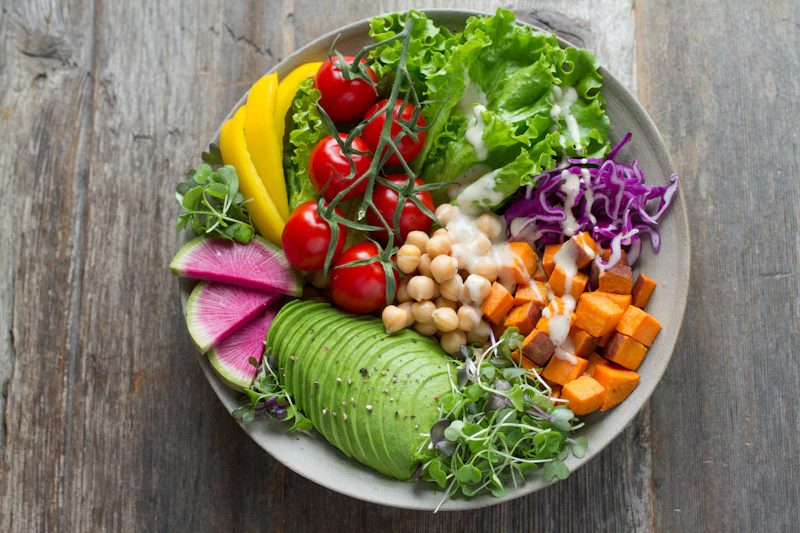
- The Low Glycemic Index (GI) Diet: In India, our diets are carb-heavy (rice, roti, potatoes). For PCOS, you must switch to complex carbs like millets (Ragi, Jowar), brown rice, and pulses. These prevent the insulin spikes that trigger testosterone production.
- Supplements:
- Myo-Inositol: This is a game-changer. It is a vitamin-like substance that improves insulin sensitivity and egg quality. Taking 2-4 grams daily is a standard recommendation.
- Vitamin D: Nearly 80% of women with PCOS are Vitamin D deficient. Supplementation improves follicular development.
Step 2: Ovulation Induction (Oral Medications)
If lifestyle changes don’t trigger ovulation within 3 months, doctors move to Ovulation Induction (OI).
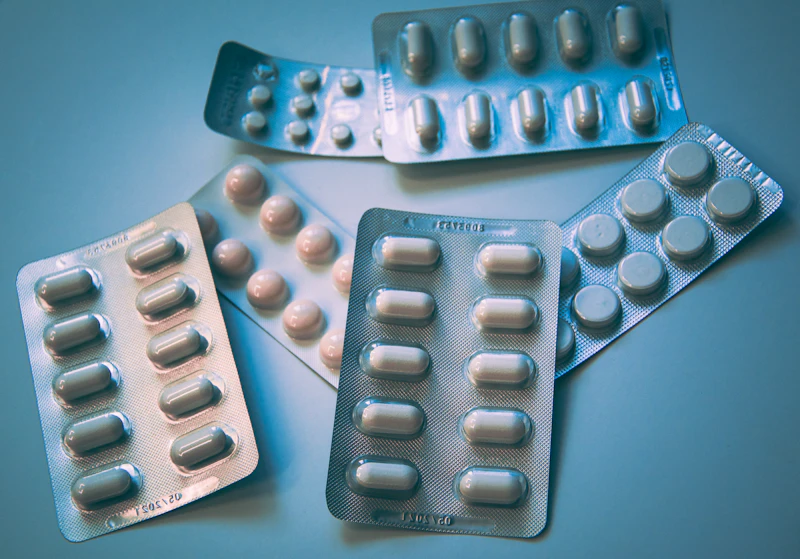
- Letrozole (Femara): In 2024, Letrozole is the “gold standard” first-line drug for PCOS. Unlike older drugs, it doesn’t thin the uterine lining and has a higher live-birth rate for PCOS patients. It works by temporarily lowering estrogen, tricking the brain into pumping out more FSH to grow an egg.
- Clomiphene Citrate (Clomid): This was the traditional choice. While effective at growing eggs, it has a side effect of thinning the endometrial lining and changing cervical mucus, which can sometimes hinder sperm from swimming.
- Metformin: Often used alongside Letrozole. It is an insulin-sensitizing drug (used in diabetes) that helps lower androgen levels and regulate cycles, making the ovaries more responsive to fertility drugs.
Step 3: Intrauterine Insemination (IUI) – The Bridge to Success
This is a critical juncture in your journey. Many couples feel that if pills fail, IVF is the only option. This is false. IUI is the logical, cost-effective intermediate step.
Why IUI works for PCOS:
Even if medication (Letrozole) succeeds in releasing an egg, PCOS can cause “hostile” cervical mucus—mucus that is too thick or acidic for sperm to penetrate. Furthermore, PCOS is often accompanied by sexual dysfunction or low libido due to hormonal fluctuations. IUI bypasses the cervix entirely, depositing sperm directly into the uterus at the exact moment of ovulation.
The Critical Role of Sperm Washing:
In any IUI procedure, raw semen cannot be used as it causes severe cramping and infection. The sperm must be “washed.” Sperm washing is a process that separates the healthy, fast-moving sperm from the seminal fluid, debris, and dead sperm. For a woman with PCOS who may only release one good egg after months of treatment, ensuring that egg meets only the highest quality sperm is vital.
Home IUI vs. Clinical IUI:
Stress is a known cortisol-spiker, and cortisol steals resources from progesterone, the pregnancy hormone. Visiting a fertility clinic can be incredibly stressful for many women—the waiting rooms, the invasive procedures, the clinical smell. This stress can actually counteract the treatment.
This is where Subhag’s Home IUI (V-Conceive) offers a revolutionary alternative. Once your doctor confirms ovulation (via scan or kit), you can perform the insemination in the privacy and comfort of your bedroom. This relaxes the pelvic floor muscles and reduces cortisol, potentially creating a more receptive environment for conception.
Step 4: Gonadotropins (Injectables)
If oral pills fail to grow an egg, doctors may prescribe injectable hormones (FSH injections). These are very potent. For PCOS patients, there is a risk of “over-responding,” where too many eggs grow at once, leading to Ovarian Hyperstimulation Syndrome (OHSS) or high-order multiple pregnancies (triplets+). This step requires strict ultrasound monitoring.
Step 5: IVF (In Vitro Fertilization)
IVF is the final resort. In this process, eggs are harvested surgically and fertilized in a lab. Women with PCOS often have a “high yield” in IVF (many eggs retrieved), but the maturity and quality of these eggs can vary. It is highly effective but significantly more expensive.
Step 6: Laparoscopic Ovarian Drilling (LOD)
This is a surgical procedure where a laser or needle is used to puncture the ovary in a few places. The heat destroys the testosterone-producing tissue. It can temporarily lower male hormones and restart ovulation, but it carries surgical risks and is less common today due to the effectiveness of Letrozole.
Part 5: Cost Analysis of PCOS Fertility Treatments in India (2024)
Financial planning is a crucial part of fertility treatment. Costs can vary based on the city (Tier 1 vs. Tier 2) and the clinic’s reputation. Below is an estimated breakdown to help you budget.
| Treatment Phase | Estimated Cost (INR) | Notes |
|---|---|---|
| Diagnostic Panel (Blood + TVS) | ₹3,000 – ₹6,000 | One-time assessment cost. |
| Oral Medications (Letrozole) | ₹500 – ₹1,500 | Per cycle. Very affordable. |
| Gonadotropin Injections | ₹5,000 – ₹15,000 | Depends on dosage required to stimulate ovaries. |
| IUI Treatment (Clinic) | ₹10,000 – ₹20,000 | Per cycle. Includes sperm wash and procedure fees. |
| Home IUI (Subhag V-Conceive) | See Pricing | Cost-effective. Removes recurring clinic fees per attempt. |
| IVF Cycle | ₹1,20,000 – ₹2,50,000 | Excludes freezing costs and medication, which can add ₹50k+. |
| Laparoscopic Drilling | ₹40,000 – ₹80,000 | One-time surgical cost. |
Part 6: Success Rates: What Are My Odds?
It is important to have realistic expectations to maintain mental resilience during treatment. Success depends heavily on the woman’s age and the sperm quality of the partner.
- Natural Conception with Lifestyle Changes: Women who successfully lose 5-10% body weight and adopt a PCOS diet see a 20-30% increase in spontaneous pregnancy rates within 6 months.
- Medication (Timed Intercourse): With Letrozole or Clomid, the chance of pregnancy is approximately 15-20% per cycle, provided ovulation occurs.
- IUI Success Rates: IUI generally offers a 20-25% success rate per cycle. However, the cumulative success rate is the key metric here—after 3 to 4 cycles of IUI, pregnancy rates can reach nearly 50%. This is why perseverance is key.
- IVF: For women under 35 with PCOS, IVF success rates are excellent, often ranging from 40-60% per transfer.
Part 7: Holistic Management: Yoga, Ayurveda, and Mental Health
India has a rich history of holistic health which complements modern medicine beautifully.
- Yoga Asanas for Fertility: Certain poses increase blood flow to the pelvic region and reduce stress.
- Baddha Konasana (Butterfly Pose): Stimulates the ovaries.
- Bhujangasana (Cobra Pose): Improves uterine blood flow.
- Surya Namaskar: Aids in weight management and metabolic regulation.
- Seed Cycling: A growing trend that aligns with the menstrual cycle.
- Follicular Phase (Day 1-14): Eat 1 tbsp each of Flax seeds and Pumpkin seeds. These help metabolize estrogen.
- Luteal Phase (Day 15-28): Eat 1 tbsp each of Sesame seeds and Sunflower seeds. These support progesterone production.
- Stress Management: When you are stressed, your body produces cortisol. Cortisol and Progesterone are made from the same “mother hormone” (pregnenolone). If your body needs cortisol to fight stress, it will steal resources from progesterone production (the “Cortisol Steal”). Therefore, managing stress is not a luxury; it is a physiological necessity for implantation.
Part 8: 20 Essential FAQs on PCOS and Pregnancy
Medical FAQs
- Can I get pregnant naturally with PCOS?Yes. Nearly 70% of women with PCOS can conceive naturally or with minimal intervention like lifestyle changes and ovulation tracking. It may just take longer than average.
- Does PCOS cause miscarriage?Women with PCOS have a slightly higher risk of miscarriage (30-50% vs 15% in general population) due to insulin resistance, inflammation, or hormonal imbalances. Progesterone support is often given in early pregnancy to mitigate this.
- Is Letrozole better than Clomid?Current research suggests yes. Letrozole has higher live birth rates and fewer side effects (like mood swings and thinning lining) specifically for PCOS patients.
- How many IUI cycles should I try before IVF?Most specialists recommend 3 to 6 cycles of IUI. If pregnancy hasn’t occurred by then, statistical success drops, and IVF is recommended.
- Does Metformin help me conceive?Metformin is not a fertility drug, but by fixing insulin resistance, it often causes spontaneous ovulation to return. It also reduces the risk of miscarriage and gestational diabetes.
- What is the “PCOS Belly”?This refers to the accumulation of visceral fat around the abdomen, driven by high insulin and cortisol levels. It is a hallmark of the metabolic type of PCOS.
- Can skinny women have PCOS?Yes, “Lean PCOS” exists. These women have normal weight but still have high androgens and polycystic ovaries. They are often harder to diagnose and may have “hidden” insulin resistance.
Lifestyle & Diet FAQs
- Is dairy bad for PCOS?It depends. Conventional dairy may contain hormones that aggravate PCOS. Many women benefit from switching to A2 milk or reducing dairy intake to lower inflammation.
- Can I eat carbohydrates?You do not need to go Keto. You need complex carbs. Replace white rice with brown rice, quinoa, or millets. Avoid refined sugar and white flour (maida).
- Does fasting help PCOS?Intermittent Fasting (e.g., 16:8 window) can be very effective for PCOS as it lowers baseline insulin levels, allowing the ovaries to function better.
- Which fruits should I avoid?Avoid high-glycemic fruits like mangoes, chiku, and grapes in large quantities. Stick to berries, apples, pears, and citrus fruits.
- Is coffee safe?Limit caffeine to 1 cup a day. Excess caffeine stimulates the adrenals to produce cortisol, which can disrupt hormonal balance.
Subhag & Treatment Specifics
- Can I do Home IUI if I have PCOS?Yes, absolutely. However, because PCOS cycles are irregular, you strictly need to confirm ovulation using an Ovulation Prediction Kit (OPK) or a follicular scan before using the home IUI kit.
- How does sperm washing help in PCOS IUI?Since you may only ovulate a few times a year, you want to maximize those chances. Sperm washing concentrates the most motile sperm, ensuring that when the egg finally releases, it is met by the “Olympic swimmers” of the sperm batch.
- What is the cost of PCOS treatment in Tier 2 cities?Costs in cities like Jaipur, Lucknow, or Coimbatore are generally 15-20% lower than in Mumbai or Delhi, especially for clinic fees and IUI procedures.
- Is IVF the only option for severe PCOS?No. Even in severe cases, ovulation induction combined with IUI is often successful. IVF is reserved for when tubes are blocked or sperm count is extremely low.
- Does PCOS affect the baby’s health?There is a higher risk of Gestational Diabetes and Pre-eclampsia. However, with proper monitoring and diet, women with PCOS deliver healthy, happy babies every day.
- Can I take Ayurvedic medicines with fertility drugs?Be cautious. Some herbs contain phytoestrogens that can interfere with Letrozole or Clomid. Always inform your doctor about all supplements.
- How long does it take to get pregnant with PCOS treatment?On average, with active treatment (medication + IUI), many couples conceive within 6 to 12 months.
- What if I don’t get a period after medication?If you don’t ovulate, you won’t get a period. Doctors may prescribe a short course of Progesterone to induce a “withdrawal bleed” to reset the lining before starting the next cycle.

Conclusion: Your PCOS Journey is Unique
Receiving a diagnosis of PCOS can feel overwhelming, but it is important to remember that it is one of the most treatable causes of infertility. You are not fighting a losing battle; you are navigating a condition that requires patience, strategy, and self-love.
From dietary shifts to the precision of medical science, you have more tools at your disposal today than ever before. Whether you choose to start with lifestyle changes, move to medication, or explore the comfort and efficacy of Subhag’s Home IUI solutions, the path to parenthood is open.
Don’t let the diagnosis define you. Take control of your reproductive health today. If you need guidance on where to start, consider booking a consultation with our experts to create a personalized roadmap for your family.