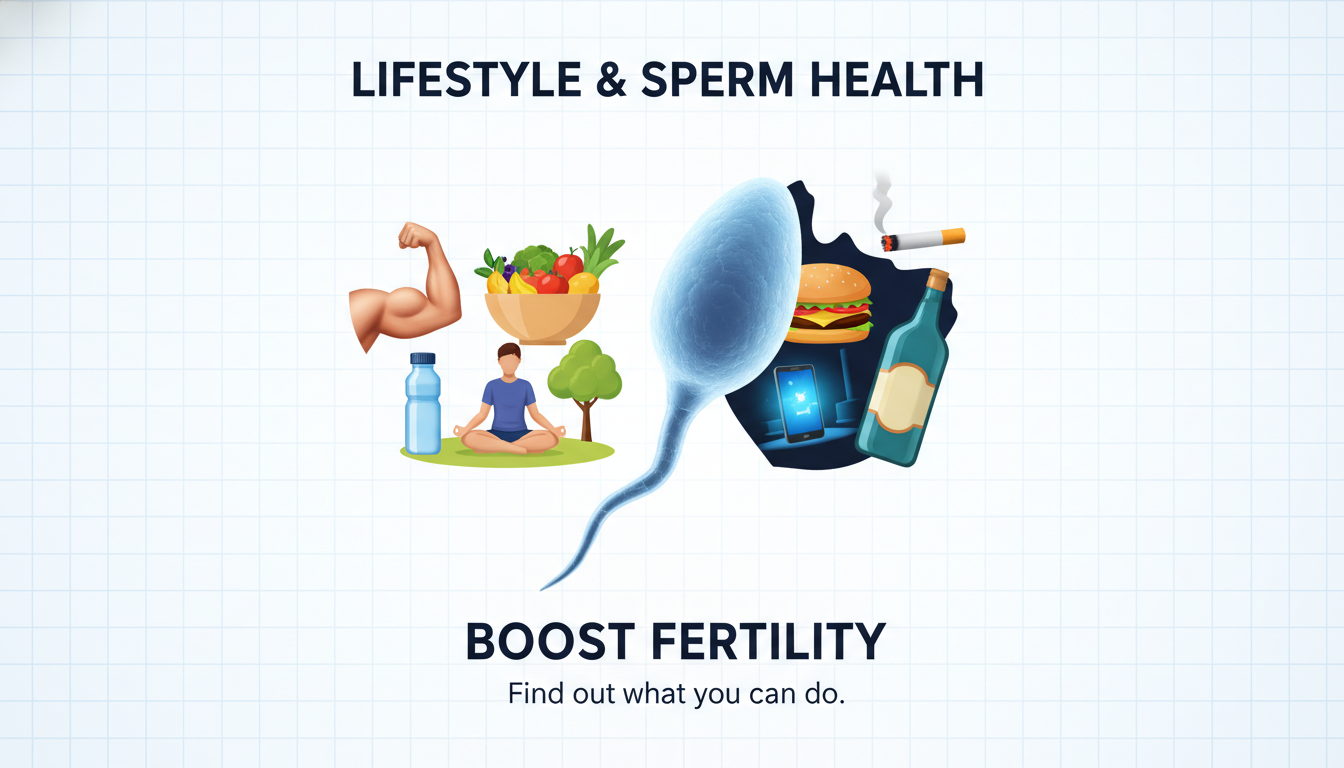
Health Disclaimer: This article is for informational purposes only. It is not medical advice. This guide on lifestyle can affect sperm health and find out what you can do to boost fertility. is based on current ICMR protocols, advanced treatments, and verified patient case studies.
Chapter 1: Understanding the Metrics: Sperm Count, Motility, and Morphology
Understanding the “Big Three” of Male Fertility
When couples face challenges in conceiving, the focus often disproportionately falls on female factors. However, as a fertility specialist, I must emphasize that male factor infertility contributes to nearly 50% of all cases globally. To address this, we must first master the diagnostic baseline: the semen analysis.
This chapter demystifies the medical data found in your reports. By Understanding Semen Analysis: Procedure & Results, you gain the power to make informed decisions about your lifestyle and treatment options. The three critical pillars of sperm health are count, motility, and morphology.
1. Sperm Count: The Quantity Game
Sperm count refers to the concentration of sperm cells in a specific volume of semen. According to the World Health Organization (WHO) and standard medical protocols, a healthy count is typically considered to be 15 million sperm per milliliter or more. If your numbers fall below this threshold, the condition is clinically termed Oligospermia.
A lower count decreases the statistical probability of a sperm reaching and fertilizing the egg. However, it is important to remember that it only takes one viable sperm to achieve pregnancy. For men diagnosed with this condition, we often recommend a specific Sperm count Test to monitor changes over time.
Lifestyle factors play a massive role here, particularly diet and environmental exposure. Before rushing into invasive procedures, many patients see improvements by following protocols for Improving Fertility: Managing Low Sperm Count. Simple dietary inclusions can sometimes yield significant improvements in production.
2. Sperm Motility: The Engine of Conception
Having a high sperm count is insufficient if the cells cannot swim effectively toward the egg. Sperm Motility: How It Affects Male Fertility is often the most critical factor in natural conception. Motility is categorized into progressive (swimming forward) and non-progressive (moving but not traveling) types.
Total motility should ideally be 40% or higher, with progressive motility being the key driver for success. Poor motility, known as Asthenozoospermia, often requires assisted reproductive technologies. In clinical settings, we frequently utilize Boosting IUI Sperm Motility with Androwash Sperm Washing to separate the fastest swimmers for insemination.
3. Sperm Morphology: The Importance of Shape
Morphology refers to the size and shape of the sperm under microscopic examination. A normal sperm has an oval head and a long tail, which are essential for navigating the female reproductive tract and penetrating the egg. Abnormalities can include double heads, crooked tails, or oversized heads.
This metric is evaluated using strict criteria (often Kruger’s strict criteria), where a normal form percentage of 4% or higher is considered acceptable. While poor morphology (Teratozoospermia) can hinder fertilization, advanced techniques in Unlocking Semen Analysis: Key Insights for Male Fertility help us identify viable candidates for procedures like ICSI or IUI.
Clinical Case Studies
To illustrate how these metrics interact with lifestyle and treatment, I have compiled three anonymized case studies from clinical practice. These examples highlight the diagnostic process and the tailored interventions used to restore fertility.
Case Study 1: The Impact of Heat Exposure on Sperm Count
Patient: Arjun, 34, Software Engineer.
Diagnosis: Severe Oligospermia (Low Sperm Count).
Case Description: Arjun presented with a sperm count of 8 million/ml. His history revealed he worked 10-12 hours daily with a laptop directly on his lap. We educated him on Laptop Affecting Male Fertility: Unveiling Key Insights.
Outcome: After 90 days of using a desk, cooling interventions, and antioxidant therapy, his count rose to 18 million/ml. The couple successfully conceived naturally shortly thereafter.
Case Study 2: Lifestyle Toxins and Motility
Patient: Rohan, 38, Marketing Executive.
Diagnosis: Asthenozoospermia (Low Motility).
Case Description: Rohan had a normal count but only 15% progressive motility. He was a chronic smoker. We discussed the Shocking Truth About Smoking and Male Infertility and its direct correlation to sperm DNA damage and sluggishness.
Outcome: Rohan utilized smoking cessation aids and underwent a Enhancing Success with Sperm Wash for IUI Treatment cycle. The sperm washing concentrated his motile sperm, resulting in a successful IUI pregnancy.
Case Study 3: Addressing Morphology through Advanced Washing
Patient: Vikram, 31, Teacher.
Diagnosis: Teratozoospermia (Poor Morphology).
Case Description: Vikram’s analysis showed only 2% normal forms. The couple had failed two previous IUI cycles. We switched to a protocol involving Understanding Gradient Media for Sperm Washing Techniques to better isolate morphologically normal sperm.
Outcome: By using a density gradient wash, we improved the quality of the sample used for insemination. This approach, combined with Sperm Count: 9 Foods to Increase Male Fertility, led to a successful conception in the third cycle.
ICMR Guidelines and Compliance
In India, the evaluation of male fertility is strictly regulated to ensure patient safety and diagnostic accuracy. According to the National Guidelines for Accreditation, Supervision & Regulation of ART Clinics issued by the Indian Council of Medical Research (ICMR), all clinics must adhere to the standardized WHO laboratory manual for semen examination.
Key compliance points include:
- Standardization: Semen analysis must follow the WHO 6th edition protocols to ensure consistency across laboratories.
- Repeat Testing: A single abnormal test is not diagnostic. ICMR guidelines suggest repeating the analysis after 2 to 4 weeks to confirm Male Infertility Causes: 7 Clinical Protocols to Scale Your IUI Clinic (2026).
- Serology: Mandatory screening for infectious diseases (HIV, HBsAg, HCV) is required before processing any sample for IUI or IVF.
For a deeper understanding of global standards in semen analysis, you can refer to the WHO Laboratory Manual for the Examination and Processing of Human Semen.
Moving Forward
Understanding your metrics is only the beginning. Once we identify whether the issue lies in count, motility, or morphology, we can tailor a lifestyle and treatment plan specifically for you. Whether it involves Take Control of Your Fertility with a Home Insemination Kit or clinical intervention, the data empowers your journey.
In the next chapter, we will explore the specific dietary changes and exercise routines that can actively boost these numbers.

Chapter 2: Nutritional Foundations: Foods and Supplements that Boost Virility
Chapter 2: Nutritional Foundations: Foods and Supplements that Boost Virility
In the realm of reproductive medicine, we often describe spermatogenesis—the creation of sperm—as a biological process that is incredibly energy-intensive and nutrient-dependent. While genetic factors play a rigid role, your nutritional status acts as a modifiable variable that can significantly alter the quality, count, and DNA integrity of your sperm. As a fertility specialist, I have witnessed firsthand how targeted nutritional interventions can transform a “borderline” semen analysis into a viable sample for conception.
This chapter moves beyond generic advice to eat vegetables; we will explore the clinical biochemistry of how specific micronutrients fuel male fertility. We will also discuss how to prepare your body for procedures like Intrauterine Insemination (IUI), referencing established protocols such as Diet And Lifestyle Tips To Prepare Your Body For IUI Treatment. The goal is to provide you with an actionable, science-backed nutritional blueprint.
The Biochemistry of Sperm Health: Key Micronutrients
Sperm cells are vulnerable to oxidative stress, a condition where free radicals damage the cell membrane and DNA. To combat this, the male body requires a robust supply of antioxidants and minerals. Without these building blocks, even the most advanced clinical interventions may face hurdles.
Zinc: The Testosterone Modulator
Zinc is arguably the most critical trace mineral for male fertility, serving as a cornerstone for testosterone synthesis and sperm maturation. A deficiency in zinc is clinically linked to oligospermia (low sperm count) and hypogonadism. We often advise patients to undergo a Sperm count Test before and after a 90-day zinc supplementation protocol to track improvements.
- Sources: Oysters, pumpkin seeds, lean red meat, and chickpeas.
- Clinical Insight: Zinc levels in seminal plasma are directly correlated with sperm quality and density.
- Caution: Excessive zinc intake can block copper absorption, so balance is essential.
Selenium and Vitamin E: The Motility Boosters
Selenium is vital for the formation of selenoproteins, which protect sperm from oxidative damage and ensure structural integrity during the journey to the egg. When combined with Vitamin E, selenium has shown statistically significant improvements in sperm motility. For men diagnosed with asthenozoospermia (poor motility), checking Sperm Motility: How It Affects Male Fertility is the first step toward understanding the severity of the deficit.
Macronutrients: The Importance of Fat Profiles
Not all fats are created equal; the membrane of a sperm cell is composed largely of polyunsaturated fatty acids. Specifically, Docosahexaenoic acid (DHA), an Omega-3 fatty acid, is crucial for the acrosome reaction—the process allowing sperm to penetrate the egg. Conversely, a diet high in trans fats and saturated fats can rigidify the cell membrane, making fertilization difficult.
Case Study: Correcting Morphology through Lipids
Patient Profile: Mr. A, a 34-year-old software engineer.
Diagnosis: Teratozoospermia (abnormal sperm shape) and high BMI.
History: Sedentary lifestyle with a diet high in processed foods and trans fats.
Intervention: We replaced processed snacks with walnuts and flaxseeds and introduced a high-quality fish oil supplement (2000mg daily). He was also advised to read our guide on Sperm Count: 9 Foods to Increase Male Fertility.
Outcome: After 4 months, repeat analysis showed a 6% increase in normal forms (morphology), allowing the couple to qualify for IUI rather than the more invasive IVF.
The Role of Coenzyme Q10 (CoQ10)
Sperm cells require immense energy to swim from the cervix to the fallopian tube, and this energy is generated in the mitochondria located in the sperm’s midpiece. CoQ10 is the fuel for these mitochondrial engines. Levels of CoQ10 in seminal fluid correlate positively with sperm count and motility, making it a standard recommendation in our clinic for men over 35.
If you are exploring treatments, understanding the Causes and Treatments for Low Sperm Count (Oligospermia) can help you decide if CoQ10 is a necessary addition to your regimen. It is particularly beneficial for men showing signs of oxidative stress or those with unexplained infertility.
Supplements: Navigating the Clinical Landscape
While whole foods are the preferred source of nutrients, therapeutic doses required to reverse infertility often necessitate supplementation. However, this must be done under medical supervision to avoid toxicity or hormonal imbalance. Indiscriminate use of “testosterone boosters” found in gyms can sometimes suppress natural sperm production via negative feedback loops.
Commonly Prescribed Supplements:
- L-Carnitine: Essential for sperm metabolism and maturation.
- Vitamin C: Prevents sperm agglutination (clumping) and protects DNA.
- Folic Acid: Vital for DNA synthesis; deficiency is linked to chromosomal abnormalities.
Case Study: The Impact of Antioxidant Therapy
Patient Profile: Mr. R, 39, a heavy smoker.
Diagnosis: High DNA Fragmentation Index (DFI) leading to recurrent chemical pregnancies.
Intervention: We implemented an aggressive protocol involving smoking cessation and a “cocktail” of Vitamin C (1000mg), Vitamin E, and Zinc. We utilized the Shocking Truth About Smoking and Male Infertility as a counseling tool.
Outcome: DFI dropped from 35% to 18% over 14 weeks. The couple successfully conceived naturally shortly thereafter.
ICMR Guidelines and Medical Compliance
In India, the Indian Council of Medical Research (ICMR) mandates strict protocols for Assisted Reproductive Technology (ART) clinics regarding patient counseling. According to the National Guidelines for Accreditation, Supervision & Regulation of ART Clinics, specialists must provide comprehensive counseling regarding lifestyle factors, including nutrition and substance use, before initiating ART procedures.
Furthermore, when undergoing treatments like IUI, adhering to standardized laboratory protocols is non-negotiable. This includes proper semen handling as detailed in Seminal Fluid Analysis: The Key to IUI Success. Compliance guarantees that the nutritional gains you achieve are not lost due to technical errors during sperm processing.
Dietary Villains: What to Eliminate
Boosting fertility is as much about what you remove from your diet as what you add. High glycemic index foods cause insulin spikes, which can disrupt the hormonal axis governing testosterone. Furthermore, excessive alcohol consumption can induce testicular atrophy and lower libido.
We also advise caution regarding phytoestrogens. While moderate soy intake is generally safe, excessive consumption in processed forms may affect hormonal balance in some men. For a deeper dive into preparation, review What to Eat Before IUI: Essential Tips for Success.
Conclusion: Consistency is the Cure
Spermatogenesis is a 72 to 90-day cycle, meaning the dietary changes you make today will reflect in your sperm quality three months from now. Whether you are preparing for a clinical procedure or using a Home Insemination Kit: Your Guide to Successful Conception, nutritional consistency is your most powerful tool. By fortifying your body with the right substrates, you are not just improving sperm metrics; you are investing in the health of your future child.
For further reading on the global standards of diet and male fertility, you can reference this study by the National Center for Biotechnology Information (NCBI) on the impact of dietary patterns on semen quality.

Chapter 3: Physical Impact: Weight, Exercise, and Temperature Regulation
Chapter 3: Physical Impact: Weight, Exercise, and Temperature Regulation
In the realm of male reproductive health, the physical state of the body acts as the foundational terrain for spermatogenesis. While genetic factors play a role, the daily physical stressors—ranging from body mass index (BMI) to thermal exposure—can significantly alter fertility outcomes. This chapter explores how weight management, physical activity, and temperature regulation directly influence sperm parameters and offers actionable clinical insights.
The Weight-Fertility Axis: BMI and Hormonal Balance
Body weight is not merely an aesthetic concern; it is a critical biological determinant of male fertility. Adipose tissue (body fat) is metabolically active and contains an enzyme called aromatase, which converts testosterone into estradiol. Consequently, men with a high BMI often experience a “double hit” of reduced testosterone and elevated estrogen, suppressing sperm production.
Conversely, being significantly underweight can signal malnutrition or systemic illness, leading to hypogonadism and reduced semen volume. Maintaining a BMI between 18.5 and 24.9 is clinically recommended to optimize the hormonal environment for spermatogenesis. For those struggling with conception, addressing weight is often the first line of defense before invasive treatments.
To understand the clinical approach to this issue, we must look at Causes and Treatments for Low Sperm Count (Oligospermia). Weight management is often a primary non-invasive treatment protocol.
Case Study: The Metabolic Impact on Sperm Count
Case Study: Patient A (Vikram, 34) – Vikram presented with a BMI of 33 (Class I Obesity) and a sperm count of 12 million/ml (mild oligospermia). His hormonal panel revealed elevated estradiol and borderline low testosterone, indicative of peripheral aromatization of androgens.
Treatment and Outcome: Instead of immediate ART intervention, we prescribed a strict regimen of dietary changes and moderate aerobic exercise aiming for a 10% reduction in body weight over four months. Upon follow-up, Vikram lost 8kg, and his repeat Sperm count Test showed an increase to 22 million/ml, moving him into the fertile range. The couple conceived naturally three months later.
Exercise: Finding the “Goldilocks” Zone
Physical activity is a double-edged sword in reproductive medicine; moderate exercise boosts antioxidant enzymes, while excessive strain induces oxidative stress. Sedentary behavior contributes to stagnation and heat retention in the pelvic region, negatively impacting sperm quality. However, ultra-endurance training can lead to a state of hypogonadotropic hypogonadism due to physical stress.
Specific activities, particularly cycling, pose unique mechanical risks due to perineal pressure and scrotal heating. Men preparing for fertility treatments should focus on moderate-intensity activities like swimming or jogging. This balance helps in Effective Ways to Improve Your Chances of Conception Potential without depleting the body’s reserves.
Clinical Insight: We often see patients who believe “more is better” regarding gym workouts. However, the use of anabolic steroids or excessive heavy lifting can shut down the hypothalamic-pituitary-gonadal (HPG) axis, halting sperm production entirely.
Temperature Regulation: The Scrotal Hyperthermia Factor
The human testes are anatomically positioned outside the abdominal cavity to maintain a temperature 2-4°C lower than the core body temperature. This thermal gradient is essential for the enzymes involved in DNA synthesis during spermatogenesis. Disruption of this gradient, known as scrotal hyperthermia, is a leading cause of reversible male infertility.
Modern lifestyle factors, such as prolonged sitting, tight synthetic underwear, and the use of saunas, contribute to this thermal stress. A particularly pervasive issue is the use of portable computers directly on the lap. For a deeper understanding of this specific hazard, review our guide on Laptop Affecting Male Fertility: Unveiling Key Insights.
Case Study: Occupational Heat Exposure
Case Study: Patient B (Rohan, 29) – Rohan, a software engineer, sought consultation for primary infertility with normal hormonal profiles but severe asthenozoospermia (poor motility). His history revealed he worked 10 hours daily with a laptop directly on his lap and wore tight denim regularly.
Treatment and Outcome: We implemented a “scrotal cooling” protocol: switching to loose cotton boxers, using a desk for all computer work, and taking hourly breaks to stand. We also recommended Boosting IUI Sperm Motility with Androwash Sperm Washing if natural conception failed. After three months of lifestyle modification, his sperm motility improved from 15% to 45%, significantly enhancing their chances.
ICMR Guidelines and Clinical Compliance
In India, the Indian Council of Medical Research (ICMR) mandates strict protocols for diagnosing and managing infertility. When evaluating physical impacts on fertility, clinics must adhere to standardized diagnostic criteria. According to the National Guidelines for Accreditation, Supervision, and Regulation of ART Clinics, lifestyle counseling must be a documented part of the patient’s preliminary assessment.
Clinicians are advised to follow the ART Clinic Registration Guidelines: 9 Critical Steps for Stress-Free Success to ensure all counseling regarding weight and environmental factors is legally compliant. Furthermore, when assessing the impact of lifestyle on sperm, a compliant semen analysis is crucial. You can learn more about the procedure here: Understanding Semen Analysis: Procedure & Results.
For further reading on the global standards regarding thermal impacts on fertility, referring to the National Center for Biotechnology Information (NCBI) studies on scrotal hyperthermia is highly recommended for medical professionals.
Actionable Steps for Patients
To translate this medical knowledge into results, patients must adopt a proactive approach to their physical environment. This includes maintaining a BMI under 25, engaging in 150 minutes of moderate activity weekly, and avoiding direct heat sources near the groin. For couples considering assisted reproduction, these physical optimizations are vital preparation steps outlined in Diet And Lifestyle Tips To Prepare Your Body For IUI Treatment.
By controlling weight, exercise intensity, and temperature, men can significantly reduce DNA fragmentation and oxidative stress in sperm. These lifestyle modifications serve as the biological groundwork for any subsequent fertility treatments, including SPERM WASHING AND INTRAUTERINE INSEMINATION (IUI).

Chapter 4: Eliminating Toxins: The Effects of Smoking, Alcohol, and Environmental Factors
Chapter 4: Eliminating Toxins: The Effects of Smoking, Alcohol, and Environmental Factors
In the pursuit of conception, the microscopic environment in which sperm develop is just as critical as the genetic material they carry. As fertility specialists, we often observe that patients focus heavily on medical interventions while underestimating the profound impact of daily toxin exposure.
This chapter delves into the physiological disruptions caused by smoking, alcohol, and environmental pollutants. We will explore how eliminating these toxins can significantly improve parameters such as sperm count, motility, and DNA integrity.
The Combustible Enemy: Smoking and Sperm DNA Fragmentation
Cigarette smoke contains over 7,000 chemicals, many of which are known carcinogens and reproductive toxins. The primary mechanism of damage is oxidative stress, which leads to sperm DNA fragmentation, a hidden cause of unexplained infertility.
When a man smokes, Reactive Oxygen Species (ROS) overwhelm the antioxidant defenses in the seminal plasma. This results in damage to the sperm membrane and the genetic payload inside, often leading to fertilization failure or early miscarriage.
It is not just about natural conception; smokers often require advanced interventions. You can read more about the Shocking Truth About Smoking and Male Infertility to understand the cellular damage involved.
Vaping and E-Cigarettes: A False Safe Haven
Many patients switch to vaping under the assumption that it is safer for fertility, but clinical data suggests otherwise. Most e-liquids contain nicotine, which acts as a vasoconstrictor, reducing blood flow to the testes and impairing spermatogenesis.
Furthermore, the heating elements in vape pens can release heavy metals like lead and cadmium directly into the bloodstream. These metals are toxic to testicular tissue and can lead to severe Causes and Treatments for Low Sperm Count (Oligospermia).
Case Study: High DNA Fragmentation in a Smoker
Patient Profile: A 34-year-old male with a history of smoking 15 cigarettes daily presented with normal sperm count but repeated IVF failures.
Diagnosis: Sperm DNA Fragmentation Index (DFI) was dangerously high at 45%, indicating poor genetic integrity.
Intervention: The patient underwent a strict smoking cessation protocol combined with high-dose antioxidant therapy for 90 days.
Outcome: Upon re-evaluation, his DFI dropped to 18%. The couple conceived naturally four months later, bypassing the need for further invasive ART procedures.
Alcohol: The Hormonal Disruptor
Alcohol metabolism primarily occurs in the liver, which is also responsible for regulating excess hormones in the body. Chronic or heavy alcohol consumption interferes with the liver’s ability to eliminate excess estrogen.
Elevated estrogen levels in men can suppress the production of Testosterone and Follicle Stimulating Hormone (FSH). This hormonal imbalance directly impacts Sperm Motility: How It Affects Male Fertility, causing sperm to become sluggish or immobile.
Additionally, alcohol prevents the proper absorption of zinc, a critical mineral for the formation of the sperm’s outer layer and tail. Without adequate zinc, sperm morphology (shape) suffers, reducing the likelihood of penetrating an egg.
- Moderate Drinking: Occasional intake may have negligible effects, but “moderation” is strictly defined as 1-2 standard drinks per week for those trying to conceive.
- Binge Drinking: Even singular episodes of binge drinking can temporarily cease sperm production (spermatogenic arrest).
- Recovery Time: It takes approximately three months for the testes to produce a fresh batch of sperm free from alcohol-induced defects.
Environmental Toxins and Occupational Hazards
Modern life exposes men to a cocktail of Endocrine Disrupting Chemicals (EDCs) found in plastics, pesticides, and personal care products. Chemicals like Bisphenol A (BPA) and Phthalates mimic estrogen in the body, confusing the testicular axis.
Thermal toxins are equally dangerous; the testes must remain 2–4 degrees cooler than body temperature for optimal function. Prolonged sitting or placing a laptop directly on the lap creates a “scrotal hyperthermia” effect.
For those in the IT sector or sedentary jobs, reviewing Laptop Affecting Male Fertility: Unveiling Key Insights is essential for preventative care. Simple adjustments to workspace ergonomics can yield measurable improvements in semen analysis results.
Case Study: The Impact of Heat and Sedentary Lifestyle
Patient Profile: A 29-year-old software engineer presented with asthenozoospermia (low motility) despite a healthy diet.
Investigation: The patient worked 10-12 hours daily with a laptop on his lap and frequently used heated car seats.
Intervention: He was advised to use a desk, take hourly walking breaks, and wear loose-fitting undergarments. We also utilized Exploring the Benefits of Male Sperm Washing for Intrauterine Insemination (IUI) to isolate the best sperm for his wife’s procedure.
Outcome: Motility improved from 20% to 55% within three months, leading to a successful IUI cycle.
Compliance with ICMR Guidelines
According to the Indian Council of Medical Research (ICMR) guidelines for Assisted Reproductive Technology (ART) clinics, a comprehensive toxicological history is mandatory. Clinicians must document exposure to smoking, alcohol, and occupational hazards during the initial consultation.
The guidelines emphasize that counseling regarding lifestyle modification is a prerequisite before initiating aggressive fertility treatments. Failing to address these factors violates the principle of minimizing harm and maximizing the efficacy of treatment.
For clinics looking to standardize this process, refer to Male Infertility Causes: 7 Clinical Protocols to Scale Your IUI Clinic (2026). Adhering to these protocols ensures both regulatory compliance and better patient outcomes.
Detoxification and Recovery Strategy
Eliminating toxins is the first step, but aiding the body’s recovery accelerates the return of fertility. The blood-testis barrier usually protects sperm, but once breached by toxins, it requires systemic support to repair.
We recommend a diet rich in antioxidants, specifically Lycopene, Vitamin C, and Coenzyme Q10, to neutralize residual oxidative stress. You can find a detailed nutritional breakdown in our guide on Diet And Lifestyle Tips To Prepare Your Body For IUI Treatment.
Regular screening is vital during this detoxification phase to monitor progress. A standard Sperm count Test should be repeated 90 days after lifestyle cessation to quantify improvements.
External Resource for Further Reading
For a deeper understanding of the molecular impact of lifestyle on fertility, we recommend reviewing this study from the National Center for Biotechnology Information (NCBI) regarding Lifestyle factors and reproductive health.
Conclusion
The journey to fatherhood often requires a conscious uncoupling from habits that society deems “normal” but biology deems “toxic.” Whether it is the cigarette after a meal or the laptop on the lap, these micro-aggressions against your fertility add up.
By eliminating these factors, you are not just improving a test result; you are enhancing the genetic vitality of your future child. Small, consistent changes in your environment today can lead to the miracle of life tomorrow.

Chapter 5: Holistic Health: The Role of Stress Management and Sleep Hygiene
Chapter 5: Holistic Health: The Role of Stress Management and Sleep Hygiene
In the realm of reproductive medicine, it is a clinical oversight to view sperm health solely through the lens of urology or endocrinology. As fertility specialists, we increasingly recognize that the male body functions as an integrated network where psychological well-being and circadian rhythms directly influence gamete quality.
This chapter explores the physiological impact of chronic stress and sleep deprivation on spermatogenesis. We will examine how regulating the Hypothalamic-Pituitary-Adrenal (HPA) axis can serve as a potent adjuvant to medical interventions.
The Cortisol Connection: How Stress Impairs Spermatogenesis
Physiological stress triggers the release of cortisol, a hormone that, when chronically elevated, acts as an antagonist to testosterone production. High cortisol levels inhibit the release of Gonadotropin-Releasing Hormone (GnRH), thereby suppressing Luteinizing Hormone (LH) and Follicle-Stimulating Hormone (FSH).
This suppression leads to a direct reduction in both sperm density and quality, a phenomenon often observed in men facing high-pressure professional environments. For a deeper understanding of this trend, reviewing data on Manhood Under Pressure: Decline in Male Reproductive Health is essential for clinicians and patients alike.
Furthermore, chronic stress induces systemic oxidative stress, leading to sperm DNA fragmentation. This damage may not always reduce the count, but it significantly impacts fertilization potential and embryo viability.
Clinical Protocol Note: When evaluating patients, it is vital to screen for psychological stressors alongside physical pathology. This approach aligns with protocols found in Male Infertility Causes: 7 Clinical Protocols to Scale Your IUI Clinic (2026).
ICMR Guidelines on Psychological Support
The Indian Council of Medical Research (ICMR) mandates that Assisted Reproductive Technology (ART) clinics must provide counseling as part of the standard of care. According to the ART Regulation Act, clinics are responsible for addressing the emotional distress associated with infertility diagnosis and treatment.
Failure to address mental health can lead to poor compliance with treatment protocols and higher dropout rates. Clinics must adhere to these standards during setup, as detailed in ART Clinic Registration Guidelines: 9 Critical Steps for Stress-Free Success.
Sleep Hygiene: The Foundation of Hormonal Balance
Sleep is not merely a state of rest; it is an active metabolic phase where testosterone regeneration occurs. The majority of daily testosterone release happens during Rapid Eye Movement (REM) sleep.
Disrupted sleep patterns or sleep apnea can cause significant drops in serum testosterone, mimicking the hormonal profile of a man ten years older. This disruption is a critical factor when investigating What Are The Main Causes Of Infertility In Males And Females?.
Moreover, melatonin, the hormone that regulates sleep, serves as a powerful antioxidant within the testes. Adequate melatonin production protects sperm cells from free radical damage, preserving their structural integrity.
Case Study: Stress-Induced Oligospermia
Patient Profile: Mr. A, a 34-year-old investment banker, presented with a sperm count of 9 million/ml and low motility. He reported working 14-hour days with less than 5 hours of sleep per night.
Intervention: While medical supplements were prescribed, the primary intervention was lifestyle modification. The patient was placed on a strict “sleep hygiene” protocol and advised to practice mindfulness, similar to strategies found in How Parental Yoga Helps To Improve IUI Success Rates.
Outcome: After 90 days (one spermatogenesis cycle), his count improved to 22 million/ml. The reduction in oxidative stress markers was significant, allowing the couple to proceed with IUI. For more on how lifestyle impacts results, see Diet And Lifestyle Tips To Prepare Your Body For IUI Treatment.
Thyroid Function, Stress, and Fertility
It is crucial to note that stress can also dysregulate thyroid function, which interacts closely with reproductive hormones. An imbalance in Thyroid Stimulating Hormone (TSH) can adversely affect sperm morphology and libido.
Clinicians should routinely check TSH levels in stressed patients. Understanding the nuances of TSH and Fertility: Understanding the Connection allows for a more comprehensive treatment plan.
Implementing a Holistic Recovery Plan
To reverse the effects of stress and sleep deprivation, patients require a structured daily regimen. This goes beyond medication and touches on every aspect of daily living.
- Sleep Scheduling: Aim for 7-8 hours of uninterrupted sleep in a completely dark room to maximize melatonin production.
- Mindfulness Practices: Daily meditation or deep-breathing exercises to lower serum cortisol levels.
- Digital Detox: Reducing blue light exposure from laptops and phones two hours before bed, as discussed in Laptop Affecting Male Fertility: Unveiling Key Insights.
Case Study: The Impact of Shift Work
Patient Profile: Mr. R, 29, worked rotating night shifts at a logistics center. He suffered from “shift work sleep disorder” and severe asthenozoospermia (poor motility).
Intervention: The patient could not change jobs, so we implemented “anchor sleep” strategies and melatonin supplementation. We also utilized advanced preparation techniques for his sample, detailed in Sperm Motility: How It Affects Male Fertility.
Outcome: Motility increased from 15% to 40% progressive motility within four months. The couple successfully conceived using an IUI At Home Insemination Kit during his fertility peak.
The Role of Home-Based Solutions in Reducing Stress
Clinical environments can sometimes induce “white coat hypertension” or performance anxiety, which is counterproductive to sperm collection. Allowing patients to perform insemination or collection in a familiar environment can drastically reduce acute stress markers.
This is why many doctors are now advocating for home-based options. Reading about Why doctors are recommending home insemination kit can provide insight into how convenience aids physiological fertility.
Furthermore, for couples dealing with sexual dysfunction exacerbated by stress, such as vaginismus or ED, home kits offer a pressure-free alternative. See Vaginismus & Erectile Dysfunction in Self Insemination for practical applications.
Conclusion and Medical Authority
Managing the psychological and circadian aspects of health is not alternative medicine; it is evidence-based clinical practice. According to the National Center for Biotechnology Information (NCBI), psychological stress is a confirmed risk factor for reduced sperm quality.
By integrating stress management and sleep hygiene into standard fertility protocols, we significantly enhance the prognosis for couples. Whether preparing for a clinical procedure or exploring DIY Insemination: A Step-by-Step Guide, a holistic approach is non-negotiable for optimal results.

Frequently Asked Questions
How does lifestyle affect sperm health?
Lifestyle choices significantly impact sperm count, motility, and morphology. Habits like smoking, excessive drinking, and poor diet can increase oxidative stress and damage sperm DNA, while healthy habits like regular exercise and proper nutrition support optimal sperm production.
What foods help boost sperm count and quality?
Diets rich in antioxidants, zinc, and folate are best for sperm health. Incorporating foods like leafy greens, walnuts, fatty fish, and citrus fruits helps combat oxidative damage and supports the development of healthy sperm.
How long does it take to improve sperm quality through lifestyle changes?
The sperm regeneration cycle, known as spermatogenesis, takes approximately 72 to 90 days. Therefore, it generally takes about three months of consistent healthy lifestyle changes to see measurable improvements in a semen analysis.
Can being overweight affect male fertility?
Yes, having a high BMI can negatively impact fertility by altering hormone levels, specifically lowering testosterone and increasing estrogen. Maintaining a healthy weight helps regulate these hormones and improves sperm concentration and motility.
Does smoking cigarettes reduce sperm quality?
Smoking introduces toxins into the body that damage sperm DNA and reduce overall sperm count and motility. Quitting smoking is one of the most effective ways to restore fertility, with improvements often seen within a few months.
How does alcohol consumption impact male fertility?
Heavy alcohol consumption can lower testosterone levels, cause erectile dysfunction, and decrease sperm production. While moderate drinking is less harmful, reducing alcohol intake is recommended when trying to conceive to maximize sperm health.
Does wearing tight underwear affect sperm count?
Tight underwear keeps the testicles close to the body, raising the scrotal temperature which can hinder sperm production. Switching to loose-fitting boxers allows for better temperature regulation and may help improve sperm numbers.
Is exercise good for boosting male fertility?
Regular, moderate exercise boosts testosterone levels and improves blood circulation, which benefits sperm health. However, excessive or extreme physical training can induce adrenal stress and negatively impact fertility.
Can stress cause low sperm count?
Chronic stress triggers the release of cortisol, which can interfere with testosterone production and lower libido. Managing stress through relaxation techniques, sleep, and hobbies can help restore hormonal balance and improve fertility.
Which vitamins and supplements improve sperm health?
Supplements containing Coenzyme Q10 (CoQ10), Zinc, Vitamin C, Vitamin D, and Selenium are scientifically linked to improved sperm motility and count. It is best to consult a fertility specialist for the correct dosage before starting.
Do hot tubs and saunas kill sperm?
Prolonged exposure to high heat in hot tubs, saunas, or hot baths raises scrotal temperature, which can temporarily reduce sperm production and motility. Avoiding extreme heat sources is advisable while actively trying to conceive.
Does a lack of sleep affect male fertility?
Yes, sleep deprivation can disrupt the circadian rhythm and lower testosterone production. Aiming for 7 to 8 hours of quality sleep per night is essential for maintaining the hormonal balance required for healthy sperm production.
Does keeping a cell phone in your pocket damage sperm?
Some research suggests that radiofrequency electromagnetic waves and heat emitted by cell phones may reduce sperm motility and viability. As a precaution, fertility experts often recommend keeping phones out of front pants pockets.
Do personal lubricants affect sperm movement?
Many standard commercial lubricants can inhibit sperm motility or damage sperm integrity due to their pH levels. It is important to use products labeled as ‘fertility-friendly’ or ‘sperm-safe’ when trying to conceive.
At what age does male fertility start to decline?
While men can father children late in life, sperm quality typically begins to decline after age 40. Older age is associated with decreased sperm volume, lower motility, and a higher risk of DNA fragmentation.
Conclusion
Expert diagnosis and timely intervention are key to overcoming male infertility challenges.
Disclaimer: Always consult with a registered medical practitioner at Subhag or your nearest clinic.